You live in Ghana. Power cuts happen. Plastic piles up in drains. You pay more for fuel and food. Sustainable living cuts those costs and protects your surroundings. You start today with changes that fit your daily routine. These tips draw from real 2024 and 2025 data. They show what works here.
Why Sustainable Living Matters in Ghana
Ghana faces real pressures. Plastic waste hits about 840,000 tonnes each year. Only 5 to 9.5 percent gets recycled. The rest clogs rivers and harms health.
Electricity demand rose to around 24,688 GWh in 2024. It jumps another 4.7 percent to 25,836 GWh in 2025. Access stands at 89 percent in 2024. You still deal with unreliable supply in many areas.
Renewables make up just 2 to 4 percent of installed capacity now. Government plans add hundreds of megawatts by 2025 and push toward 10 percent by 2030.
Clean cooking with LPG reaches only 22.5 to 41 percent. Most households burn wood or charcoal. That drives deforestation.
The Pressures on Your Environment Flooding worsens from blocked drains. Air quality drops from open burning. You see it in Accra where 2,800 tonnes of solid waste arrive daily and only 70 percent gets collected.
How It Saves You Money Lower bills. Less spending on replacements. Stable power reduces business losses. GDP grew 5.7 percent in 2024 and continued into 2025. Green choices support that growth without extra strain.
Save Energy Where You Live
You control your home energy use. Small swaps cut waste fast.
Go Solar for Your Roof Solar works well here. Daily sunshine lasts 1,800 to 3,000 hours. Install panels on your roof. Net metering lets you sell extra power back. Start with a small system for lights and fans.
Seth Owusu-Mante from Climate Policy Lab says renewable energy transition proves essential for economic resilience and energy security. Policy exists but progress stays slow because of financial constraints.
Adopt Daily Habits Unplug chargers when not in use. Switch to LED bulbs. They use less power and last years longer. Turn off fans and lights when you leave rooms. Use fans instead of AC when possible. These steps drop your bill 10 to 20 percent right away.
Manage Waste Without the Hassle
You generate waste every day. Handle it better to keep neighborhoods clean.
Recycle Plastics and More Separate plastics, cans, and paper. Drop them at collection points in Accra, Kumasi, or Tema. Informal pickers handle much of the work. Support local recycling initiatives. Companies like Safisana turn waste into biogas and fertilizer.
Elikplim Asilevi of Safisana Ghana explains they transform organic and fecal waste into clean energy and eco-friendly fertilizers. This approach reshapes farming and sanitation for thousands of people.
Cut Down on Single-Use Items Carry a reusable bag and water bottle. Refuse plastic sachets when you can. Buy in bulk at markets. These choices reduce the 840,000 tonnes of plastic waste generated yearly.
Move Around Smarter
Traffic and fuel costs add up. Choose better options.
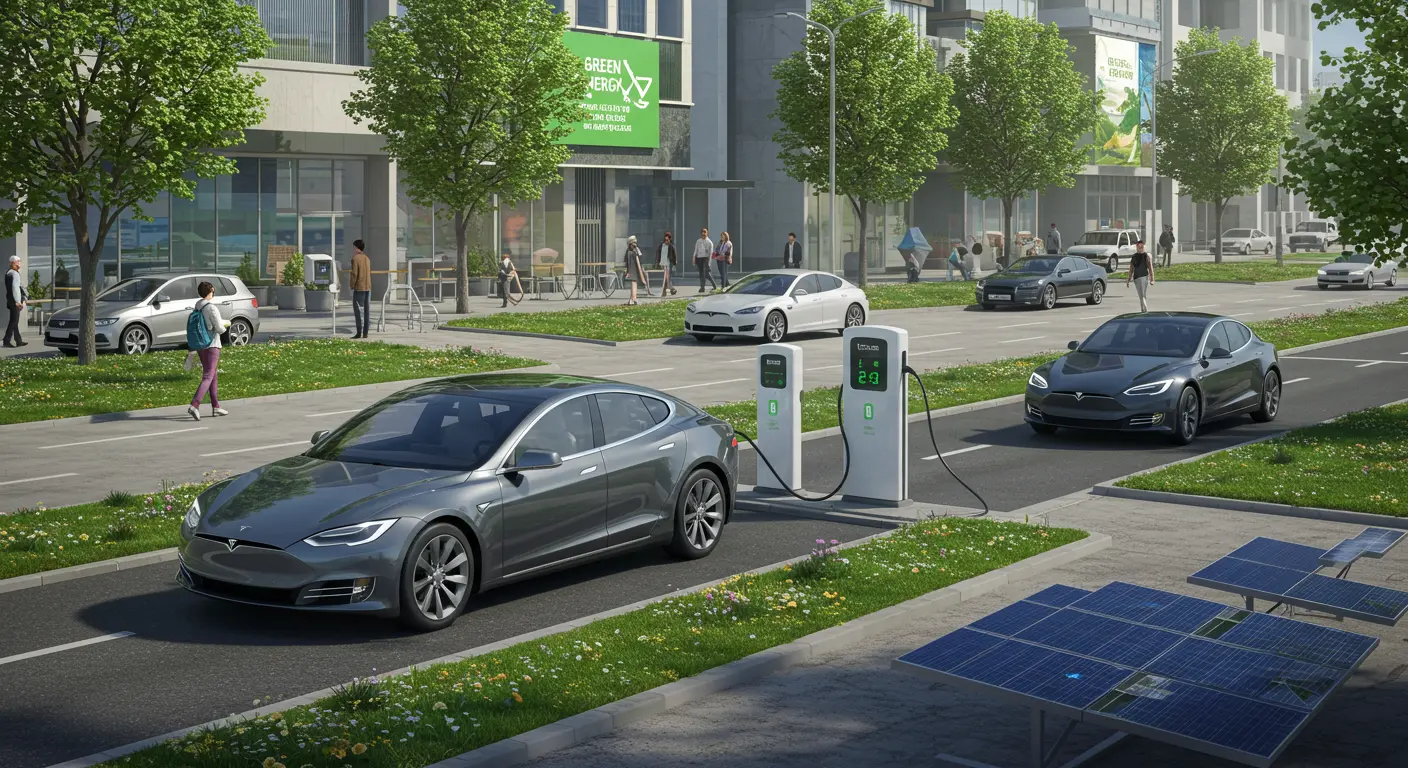
Walk or bike short distances. Use tro-tros or shared rides over personal cars. Electric bikes gain ground in cities. Plan trips to combine errands. Explore green transport options. This cuts emissions and saves fuel money.
Shop and Eat Green
Your market choices shape demand.
Buy local produce in season. Support farmers who use less chemical inputs. See sustainable farming practices. Reduce meat some days to lower resource use. Choose loose items over packaged. These habits cut waste and support local economies.
Join Local Efforts
You do not act alone. Community work amplifies impact.
Join neighborhood cleanups. Advocate for better collection in your area. Follow government moves like the 2025 carbon market and eco-levy on electronics. Link up with community cleanups. Share tips with neighbors. Small groups achieve measurable results faster.
For official support visit the Environmental Protection Agency or World Bank Ghana reports.
FAQ
How do I start living more sustainably in Ghana? Begin with one habit. Unplug devices or carry a reusable bag. Track your progress weekly. Scale up to solar or recycling.
What are the best energy-saving tips for Ghanaian homes? Install LED bulbs. Use fans over AC. Switch to solar for essentials. These lower bills immediately.
Where can I recycle plastic in Ghana? Check collection points in major cities. Work with informal pickers or groups like ASASE. Contact local assemblies for sites.
Is solar energy worth it in Ghana? Yes. High sunshine hours and net metering make it practical. Systems pay back in a few years through lower bills.
How does waste management impact Ghana’s environment? Poor handling causes flooding, pollution, and health issues. Only 5-10 percent of waste gets recycled. Better practices protect rivers and soil.
What government support exists for green initiatives? Look at net metering rules, renewable targets, and clean cooking programs. The Ministry of Energy and Green Transition offers guidance.
Disclaimer
Sengideons.com does not host any files on its servers. All point to content hosted on third-party websites. Sengideons.com does not accept responsibility for content hosted on third-party websites and does not have any involvement in the same.