
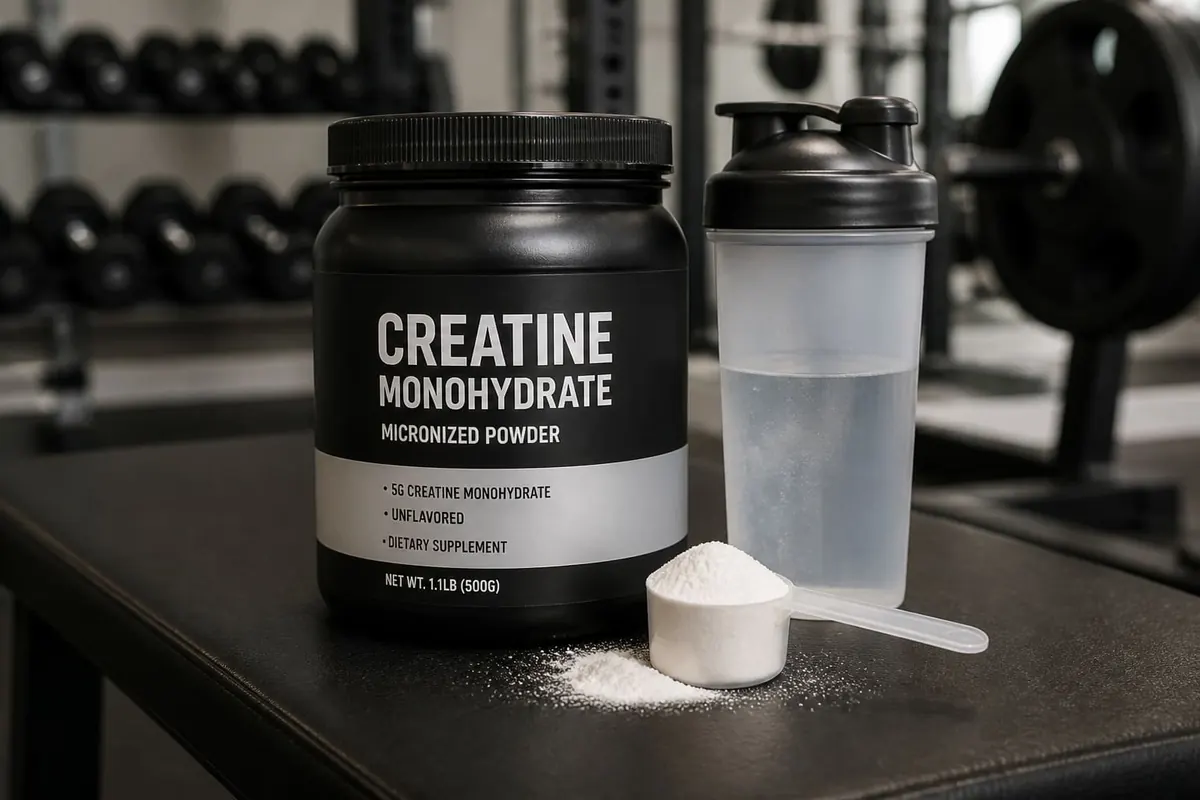
Creatine is one of the most researched sports supplements for high-intensity performance, especially creatine monohydrate. Beginners should treat marketing “new types” cautiously and talk to a clinician if they have kidney issues or take medications.
What beginners usually mean
- Creatine monohydrate: the standard, well-studied form
- Other forms are often more expensive without clear superiority for most users
How people typically use it (educational)
- Consistent daily intake as commonly discussed in sports nutrition literature
- Hydration awareness
- Pair with actual training — creatine is not a sofa upgrade
- Buy from reputable sellers — fake supplements exist
Who should be careful
- People with kidney disease history
- Anyone on relevant medications — ask a clinician
- Those expecting fat-loss miracles from creatine alone
Related habits
Training consistency, sleep, and protein-rich meals matter more than exotic tubs — eggs basics, lifestyle tips.
FAQ
Does creatine damage kidneys in healthy people?
Research in healthy populations is generally reassuring at typical doses — individual medical advice still wins.
Do I need a loading phase?
Optional approaches exist; consistency matters.
Is this medical advice?
No — educational.
If you choose creatine, start with monohydrate from a reputable source, train consistently, and ask a clinician when you have health conditions. Fancy labels rarely beat the basics.
Disclaimer
Sengideons.com does not host any files on its servers. All point to content hosted on third-party websites. Sengideons.com does not accept responsibility for content hosted on third-party websites and does not have any involvement in the same.












, safety basics, and how beginners usually…)