
A US dollar (USD) account in Ghana helps freelancers, importers, families paying school fees abroad, and travellers who want to hold foreign currency inside the banking system. Product names differ by bank “forex account,” “foreign currency account,” or a USD wallet tied to a current account so always ask the branch what they actually offer for your customer type.
Why people open dollar accounts
- Receive overseas client payments where the bank supports the incoming rail
- Save for tuition or medical travel without converting everything to GHS immediately
- Pay certain import or subscription costs in USD when the bank allows
- Keep a clearer record for tax / accounting than cash FX deals
What banks commonly ask for (KYC)
Expect standard Know-Your-Customer checks. Typical requests include:
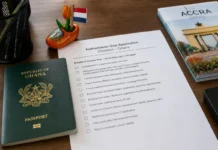
- Ghana Card or valid passport
- Proof of address (utility bill, tenancy, or bank letter as accepted)
- TIN / employer details for some formal products
- Source-of-funds explanation for foreign currency (especially larger amounts)
- Minimum opening balance ask before you switch banks
If you are new to banking generally, read our how to open a bank account in Ghana overview first.
Practical steps
- Shortlist banks that openly advertise USD / forex accounts for individuals or SMEs.
- Call or visit and ask: minimum balance, monthly fees, SWIFT incoming fees, and whether mobile app support exists for USD.
- Prepare KYC documents; make clear colour copies.
- Open the account in branch if the bank requires in-person forex onboarding.
- Test a small incoming transfer before you rely on it for a big tuition payment.
Reality checks on FX
Holding USD in a bank account does not freeze the cedi rate forever. Conversion still follows the bank’s rates and Bank of Ghana frameworks. Ignore black-market “guaranteed rates” promised on WhatsApp. For sending money abroad later, pair this topic with careful reading of your bank’s outward transfer rules and any related guides on remittances.
Freelancers and remote workers
Ask whether your bank can receive the corridors you actually use (SWIFT, specific payment partners, etc.). Some platforms pay only in ways your local bank rejects. Get the exact account name format, SWIFT/BIC, and intermediary bank details in writing from the bank before you invoice a foreign client.
Fees to clarify up front
- Account maintenance / inactivity fees
- Incoming SWIFT charges (fixed + correspondent bank costs)
- Cash deposit / withdrawal rules in foreign currency (often restricted)
- Statement fees if you need stamped copies for visas or schools
Scams and red flags
- Anyone offering a “dollar account” via personal MoMo without a licensed bank
- Requests for your full internet banking password to “activate forex”
- Businesses asking you to receive money for them into your new USD account (money-mule risk)
FAQ
Can students open one?
Some banks allow it with guardian support or proof of admission; policies vary ask student desks.
Is it the same as a fintech dollar wallet?
Not always. Bank FCA products and fintech wallets have different protections, limits, and cash-out rules.
Do I need a business registration?
Individuals can often open personal forex accounts; higher volumes may push you toward business KYC.
A dollar account is a tool, not a magic hedge. Choose a licensed bank, complete KYC honestly, understand fees, and verify every transfer detail with the bank before large sums move.
Disclaimer
Sengideons.com does not host any files on its servers. All point to content hosted on third-party websites. Sengideons.com does not accept responsibility for content hosted on third-party websites and does not have any involvement in the same.