Handwashing is one of the highest-value hygiene habits for preventing many common infections — especially in shared homes, schools, and chop bars. Fancy soaps help less than technique and timing.
When to wash
- Before eating and cooking
- After toilet use
- After cleaning or handling rubbish
- After coughing/sneezing into hands
- After touching shared transit surfaces when practical
- Before caring for wounds or sick relatives
How to wash effectively
- Wet hands.
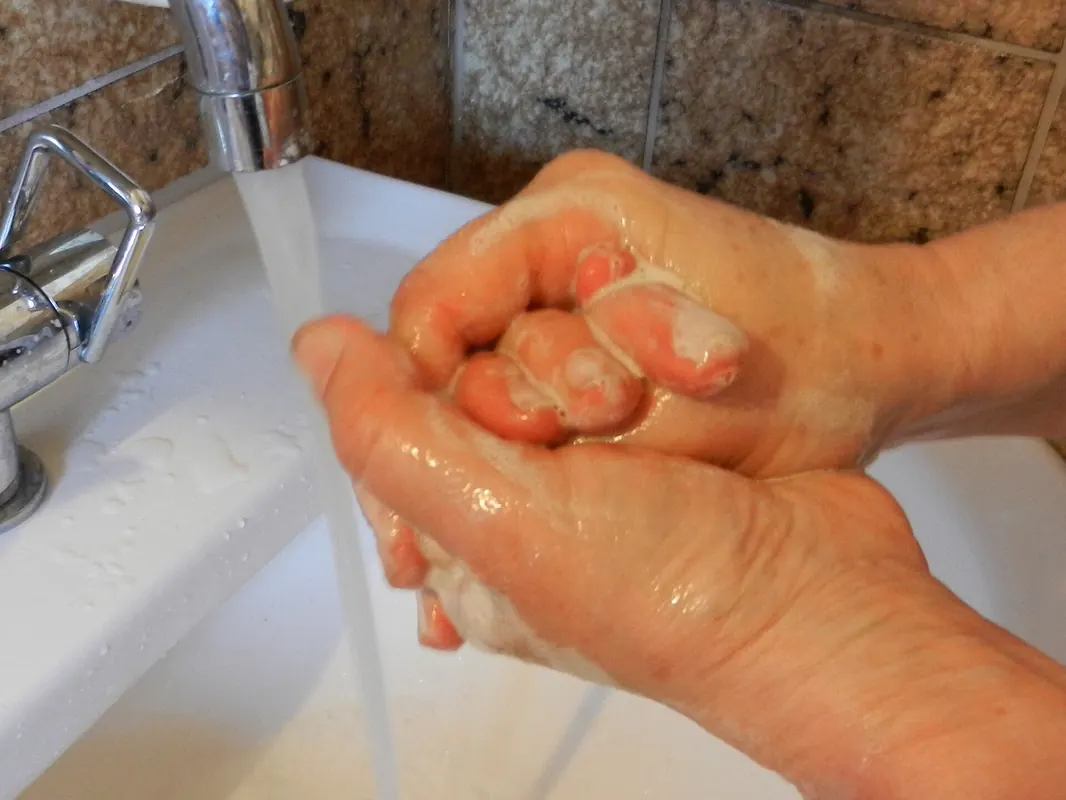
- Soap thoroughly — backs, between fingers, under nails.
- Scrub about 20 seconds (a short song helps kids).
- Rinse.
- Dry on a clean towel or air dry.
When soap and water are unavailable
Alcohol-based sanitiser helps on visibly clean hands; wash with soap when hands are greasy/dirty.
Related
After illness cleaning: disinfect after flu. Food handling: wash before prep.
FAQ
Is hot water required?
Soap + friction matter more than scalding water.
Do kids need special soap?
Mild soap they will use beats harsh products they avoid.
Can rings trap dirt?
Yes — clean under jewellery.
Wash hands with soap at key moments and scrub thoroughly. It is low-tech public health that still outperforms most viral “immune booster” tips.
Disclaimer
Sengideons.com does not host any files on its servers. All point to content hosted on third-party websites. Sengideons.com does not accept responsibility for content hosted on third-party websites and does not have any involvement in the same.