
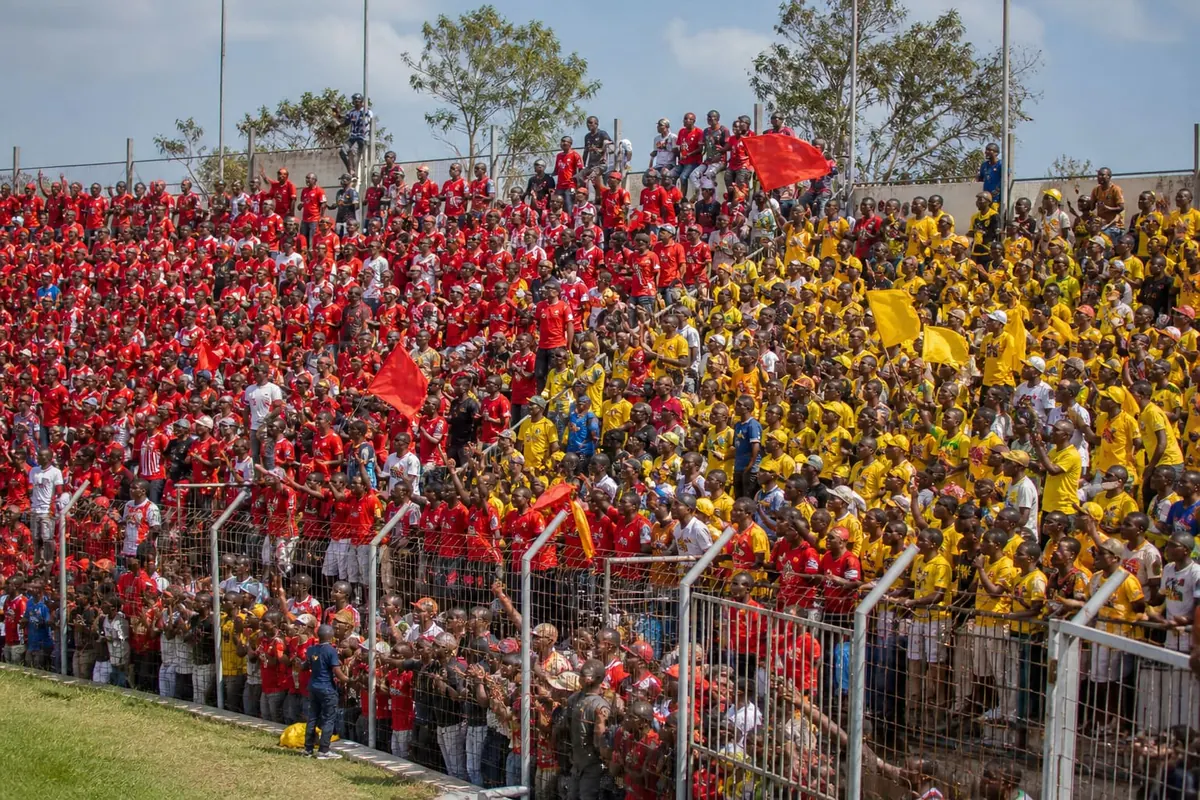
Derby matches are local rivalry games — same city or historically linked clubs — that feel louder than a normal league fixture. Atmosphere, pride, and memory outweigh table position for many fans.
What makes a derby different
- Shared geography and competing identities
- Family/friend splits inside one city
- History of famous results that get retold for decades
- Extra media attention and police/security planning
- Players feeling the occasion beyond three points
Why the emotion runs hot
- Identity: the club becomes a badge for neighbourhood or community.
- Scarcity: you might wait months for the next meeting.
- Bragging rights: workplace and compound arguments depend on it.
- Narrative weight: one derby can redefine a season’s mood.
Watching derbies wisely
- Arrive early if going to the ground; follow steward instructions
- Avoid provocations that get people hurt
- Expect tense refereeing debates — VAR and referees
- Separate banter from violence
Ghana’s headline rivalry
Hearts of Oak vs Asante Kotoko is the country’s most famous club derby narrative — deeper dive: Hearts vs Kotoko explained.
FAQ
Is every rivalry a derby?
Fans use the word loosely; classic derbies are local/historic.
Do derbies always produce great football?
No — nerves can make games scrappy; the occasion still matters.
Why do away fans get restricted sometimes?
Safety and logistics decisions by organisers/authorities.
Derbies amplify identity and history. Enjoy the noise, respect safety, and remember that three points still count in the table — even when pride feels bigger.
Disclaimer
Sengideons.com does not host any files on its servers. All point to content hosted on third-party websites. Sengideons.com does not accept responsibility for content hosted on third-party websites and does not have any involvement in the same.