Buying land in Ghana safely is due diligence work: title, site, seller identity, and professional searches beat “family land” stories told under time pressure. This checklist is a practical starter — complex sites deserve a lawyer.
Due diligence checklist
- Seller identity: Ghana Card, company docs if corporate.
- Site visit: walk boundaries with neighbours watching.
- Documents: indenture, allocation papers, previous transfers as applicable.
- Official searches: lands commission / relevant registry searches via counsel.
- Encumbrances: existing mortgages, litigation, competing family claims.
- Planning: zoning and permit realities for what you want to build — building permits.
- Payment: staged payments tied to search results; avoid full MoMo to strangers.
- Transfer: complete proper conveyance; keep certified copies.
Red flags
- Pressure to pay today or lose the plot
- Refusal to allow independent lawyer searches
- Multiple “caretakers” collecting deposits
- Documents that cannot be verified
- Plots in obvious flood paths sold as “prime”
Family land realities
Customary interests can be real and complex. Ensure the people signing have authority — stool/family head controversies fill Ghana’s courts.
After purchase
- Secure the site reasonably
- Start permit processes before major builds
- Keep a digital vault of all papers
FAQ
Is a receipt enough?
No — you need a proper transfer trail.
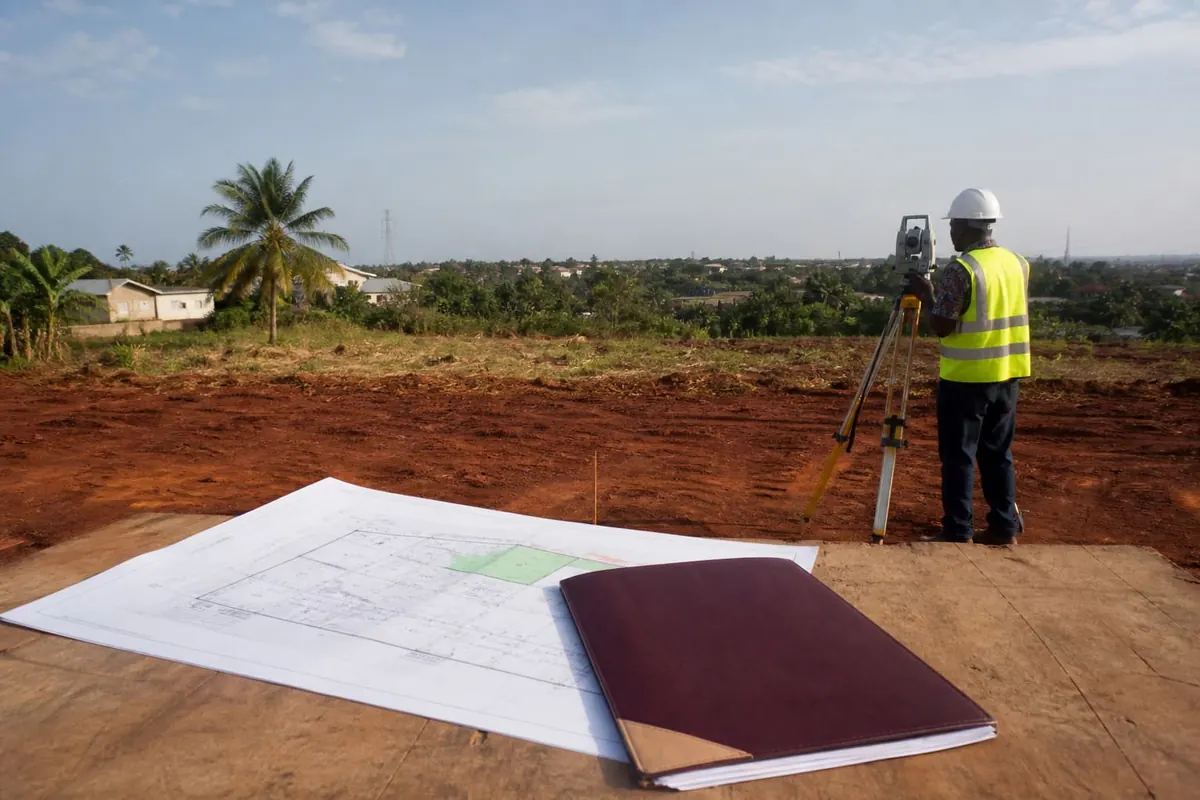
Do I need a surveyor?
Yes for serious purchases — confirm beacons and size.
Can diaspora buyers do this remotely?
Only with trusted counsel and verified powers of attorney — PoA basics.
Buy land with searches, staged payments, and lawyers — not vibes. The cheapest plot is expensive if it comes with someone else’s litigation.
Disclaimer
Sengideons.com does not host any files on its servers. All point to content hosted on third-party websites. Sengideons.com does not accept responsibility for content hosted on third-party websites and does not have any involvement in the same.