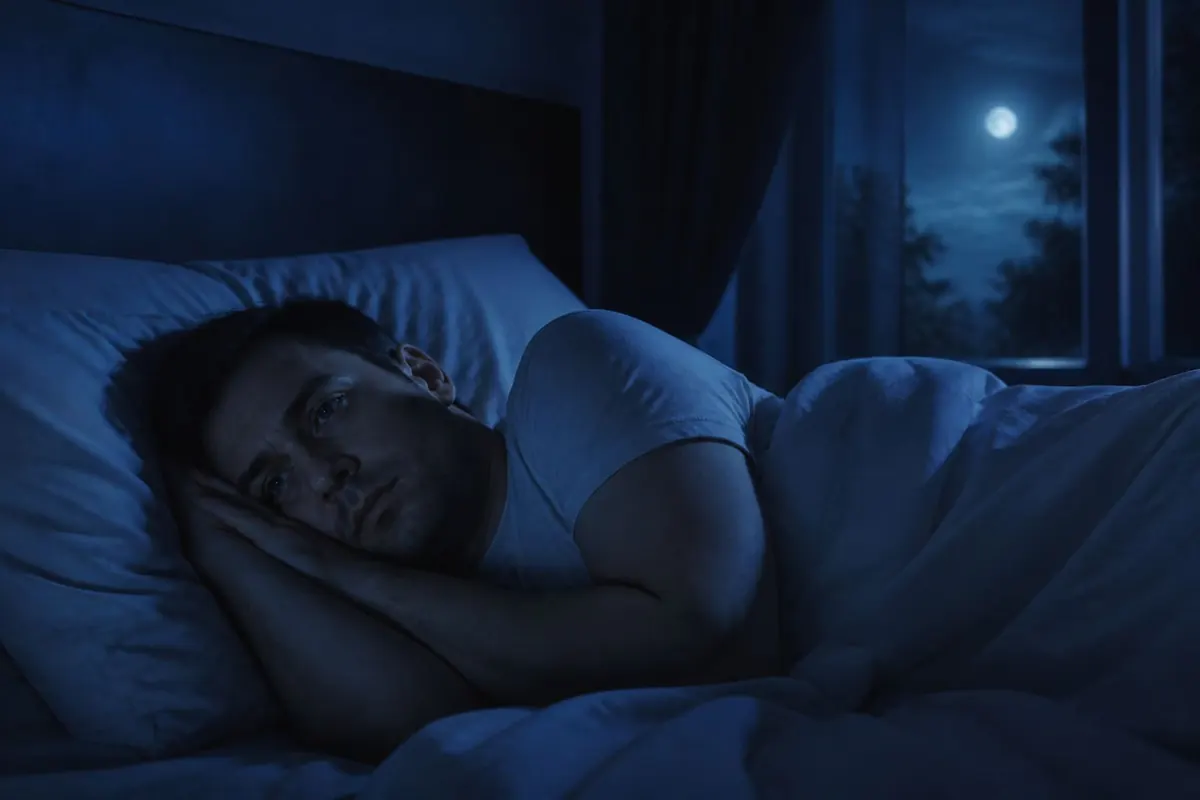
Insomnia — trouble falling or staying asleep — drains workdays, mood, and immune resilience. Many fixes are behavioural. This is general guidance for Ghana readers, not a prescription.
Common contributors
- Late caffeine (sobolo energy drinks, coffee, strong tea)
- Phone scrolling in bed — bright light + alerts
- Irregular sleep/wake times
- Hot rooms, noise, mosquitoes
- Anxiety loops and unfinished task lists
- Some medications or medical conditions — ask a clinician
Proven-leaning habits to try first
- Fixed wake time daily (including weekends as much as possible).
- Caffeine cutoff — timing guide.
- Dim screens or use bedtime modes — Digital Wellbeing.
- Reserve bed for sleep; if wide awake ~20 minutes, get up briefly then return.
- Daylight exposure and some daytime movement.
- Cool, dark, quieter sleep space; net for mosquitoes.
What usually doesn’t fix chronic insomnia alone
- Random leftover sleeping pills from a friend
- Alcohol as a “sleep aid” (fragments sleep)
- Ultra-late heavy meals every night
- Catch-up sleep only on Sundays
When to see a clinician
Loud snoring with choking, gasping, or extreme daytime sleepiness; depression/anxiety that won’t lift; insomnia after starting a new medicine; or sleep problems lasting many weeks despite habits.
FAQ
How much sleep do adults need?
Many do well around 7+ hours — individual range exists.
Are naps OK?
Short early naps beat long late ones for many people.
Is melatonin always safe?
Ask a pharmacist/clinician — quality and dosing vary.
Fix wake time, caffeine, light, and bedroom conditions before chasing pills. Get medical help for red-flag breathing symptoms or stubborn insomnia.
Disclaimer
Sengideons.com does not host any files on its servers. All point to content hosted on third-party websites. Sengideons.com does not accept responsibility for content hosted on third-party websites and does not have any involvement in the same.