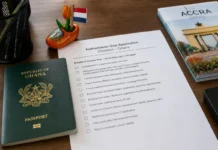

An affidavit in Ghana is a written statement of facts that you swear or affirm before an authorised commissioner for oaths / notary as the law requires for that use. Banks, schools, courts, and registries ask for affidavits when they need a formal sworn explanation — for example name discrepancies, loss of documents, or supporting family facts.
Common reasons people swear affidavits
- Name spellings that differ across documents
- Proof of relationship or dependency in administrative processes
- Supporting lost document narratives alongside police extracts
- Certain land, probate, or bank compliance requests
- Corrections where an institution insists on sworn evidence
What a useful affidavit usually contains
- Your full name, address, and ID reference
- Clear numbered facts (not arguments or insults)
- The purpose (e.g., “in support of passport re-issue”)
- Signature and proper commissioning formalities
- Date and place of swearing
Practical steps
- Ask the receiving institution what title/format they want
- Draft plain facts; avoid copying dramatic internet templates that add fake details
- Appear before the authorised person with ID
- Collect sealed/stamped copies as required
- Attach exhibits (copies of IDs, receipts) if referenced
Affidavit vs Power of Attorney
An affidavit states facts under oath. A Power of Attorney authorises someone to act. Institutions sometimes ask for both — they are not interchangeable.
Truthfulness is not optional
False affidavits can create criminal and civil problems. If you are unsure about a date, say you approximate. Do not swear to land ownership stories you cannot defend.
Where people get stuck
- Wrong commissioner type for that institution
- Names that still do not match supporting IDs
- Illegible stamps
- Using an old affidavit when the office wants one issued this month
FAQ
Can I buy a blank signed affidavit?
No — that is asking for fraud trouble.
Do I need a lawyer?
Simple administrative affidavits are often prepared at commissioning centres; complex land/probate issues deserve counsel.
How many copies?
Take extras — each office may keep one.
Swear affidavits that are factual, properly commissioned, and tailored to what the receiving office asked for. Pair them with the right supporting documents, and never sign sworn falsehoods to “just finish the process.”
Disclaimer
Sengideons.com does not host any files on its servers. All point to content hosted on third-party websites. Sengideons.com does not accept responsibility for content hosted on third-party websites and does not have any involvement in the same.