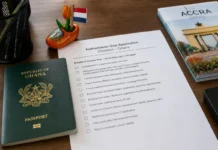

GRA tax returns are how individuals and small businesses declare income and settle tax obligations under Ghana’s self-assessment and filing calendars. Filing on time with records beats panic when a tender asks for compliance proof.
Who should care
- Employees with additional income beyond PAYE
- Self-employed professionals and traders
- Companies and partnerships on corporate filing cycles
- Anyone asked for a tax clearance certificate
Filing basics
- Confirm your TIN — TIN guide.
- Gather income records, expense proofs, and withholding credit evidence.
- Use official GRA e-services / offices for your taxpayer type.
- File within the deadline for that return type.
- Pay any balance due through official channels and keep receipts.
Record-keeping that saves you
- Sales invoices and MoMo business statements
- Rent and utility receipts for allowable claims where relevant
- Payroll files if you have staff (PAYE)
- VAT workings if registered — VAT basics
FAQ
If PAYE is deducted, am I done?
Often for pure employment income — additional income may still need declaration. Confirm for your case.
Can an agent file for me?
Yes if reputable; you remain responsible for accuracy.
What if I file late?
Penalties may apply — speak to GRA rather than hiding.
File through official GRA channels with real records, diary deadlines, and keep payment receipts. Clean filings make TCC and tender season far less stressful.
Disclaimer
Sengideons.com does not host any files on its servers. All point to content hosted on third-party websites. Sengideons.com does not accept responsibility for content hosted on third-party websites and does not have any involvement in the same.