
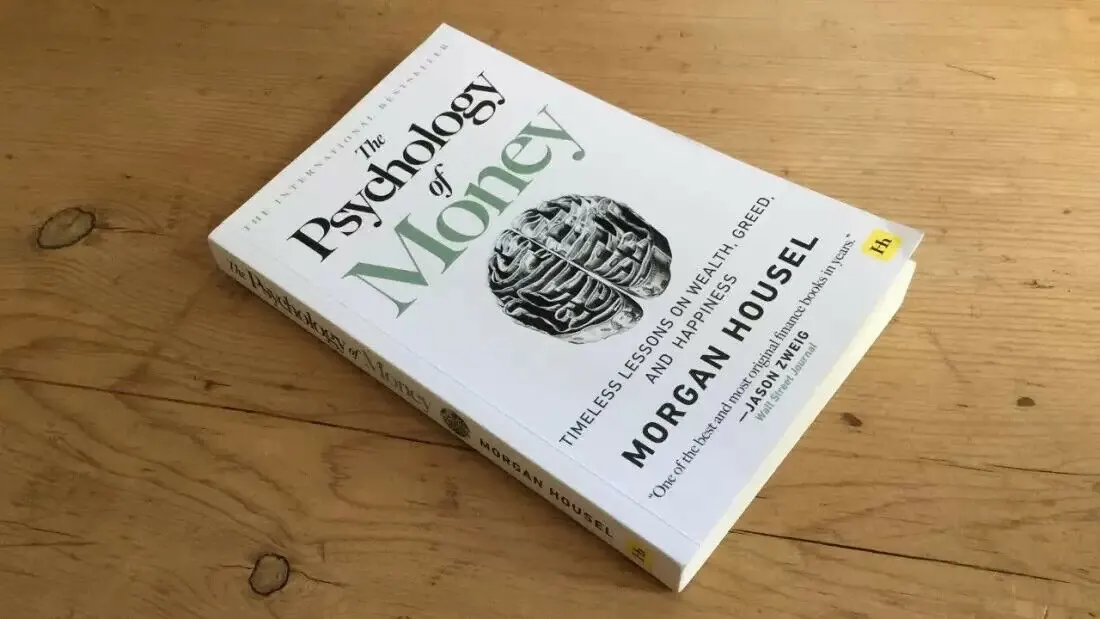
The Psychology of Money by Morgan Housel is a modern classic on how behaviour beats spreadsheets. For 2026 readers in Ghana, the lessons travel well: ego, patience, and room for error matter as much as tips on “hot investments.”
Key lessons (practical takeaways)
- Behaviour over brilliance: Staying calm compounds better than genius one year
- Luck and risk: Respect what you can’t control
- Enough: Define enough to avoid destructive goalposts
- Compounding: Time in reasonable assets beats constant tinkering
- Room for error: Cash buffers and modest leverage protect you
- Stories vs math: People buy narratives — know when you’re the audience
- Wealth vs rich: Quiet savings differ from loud spending
Applying it in Ghana
- Build an emergency buffer before complex products.
- Separate mobile-money spending from savings pots.
- Beware get-rich-quick WhatsApp “investments.”
- Skill income still matters — freelancing clarity helps — profile guide.
- Pair mindset with books like Think and Grow Rich ideas carefully — behaviour + offers.
Reading workflow
- One chapter → one money behaviour to change this month
- Track lifestyle creep after any raise
- Write your personal definition of “enough”
FAQ
Is it a how-to-invest manual?
More psychology than ticker symbols — that’s the point.
Does it ignore poverty constraints?
Adapt the principles; buffers and scams avoidance still apply at many income levels.
Should I copy someone else’s portfolio?
No — copy decision hygiene, not flex.
Use Housel’s ideas to value patience, humility, and margins of safety. In any currency, behaviour is the strategy you actually live.
Disclaimer
Sengideons.com does not host any files on its servers. All point to content hosted on third-party websites. Sengideons.com does not accept responsibility for content hosted on third-party websites and does not have any involvement in the same.